Foreigners cannot own land in the Maldives. Here is what international buyers can actually acquire, how lease and tourism strata arrangements differ from freehold, and the checks to make before any money moves.
Most people who start searching for a home in the Maldives arrive with a picture already formed: a villa on the sand, a deck over the lagoon, a place to return to every winter. It is a lovely picture, and it is also where the first misunderstanding usually begins. The Maldives does not work like Portugal, Dubai or the Caribbean islands where a foreign buyer can take freehold title to a plot. Before you look at a single brochure, it is worth understanding the legal frame, because it shapes everything that follows, from what a seller is really offering to how you plan the ownership years ahead.
This guide sets out the principles in plain language. It is not legal advice, and the rules and their interpretation can change, so every specific opportunity needs review by an independent Maldivian lawyer. But knowing the right questions will help you read our Maldives property search with clear eyes, and it will make any conversation with a developer, agent or adviser far more productive. If you prefer to talk it through first, our Maldives property services start with exactly this kind of briefing.
The starting point: foreigners cannot own land
The Constitution of the Maldives restricts land ownership to Maldivian citizens. Foreign individuals and foreign companies cannot hold freehold title to land anywhere in the country. This is not a loophole to be engineered around with nominee arrangements; using a local name to hold land on behalf of a foreigner exposes the foreign party to serious legal and practical risk, and reputable advisers will not suggest it.
What foreigners can do, broadly, is hold rights through leases and, in specific cases, through tourism-linked arrangements within registered resort developments. The United States State Department summarises the position in its investment climate reporting on the Maldives, noting that foreigners cannot own land but may lease it, and describing the regulatory environment that foreign investors operate within. Those reports are written for investors rather than home buyers, but they are a useful, independent reference point on the overall climate, including bureaucracy, contract enforcement and the role of government approvals.
Leasehold rights: what a lease really gives you
A lease grants the right to occupy and use land or a building for a defined period on defined terms. In the Maldives, leases of land to foreign parties are regulated, and long leases are generally associated with approved projects rather than casual private arrangements between individuals. The length, permitted use, transfer rights and renewal terms all matter, and they vary between projects.
When you review a leasehold offer, the headline number of years is only the beginning. A lease that looks long on paper can be constrained by conditions on use, by rights the landlord retains, or by a requirement for consent before you sell or pass the interest to your heirs. Ask your lawyer to explain, clause by clause:
- Who the lessor is, and whether they hold the right to grant this lease for its full term.
- The start date, the end date and what happens at expiry, including any renewal mechanism and its cost.
- Permitted use: private residence, holiday letting, tourism operation, or a combination.
- Assignment and sale: whether you can transfer the lease, to whom, and with whose consent.
- Inheritance: how the interest passes on death and whether your heirs need fresh approvals.
- Ongoing rent, service charges and any escalation clauses.
- Termination triggers, including what counts as a breach and how disputes are resolved.
Tourism strata and resort villa arrangements
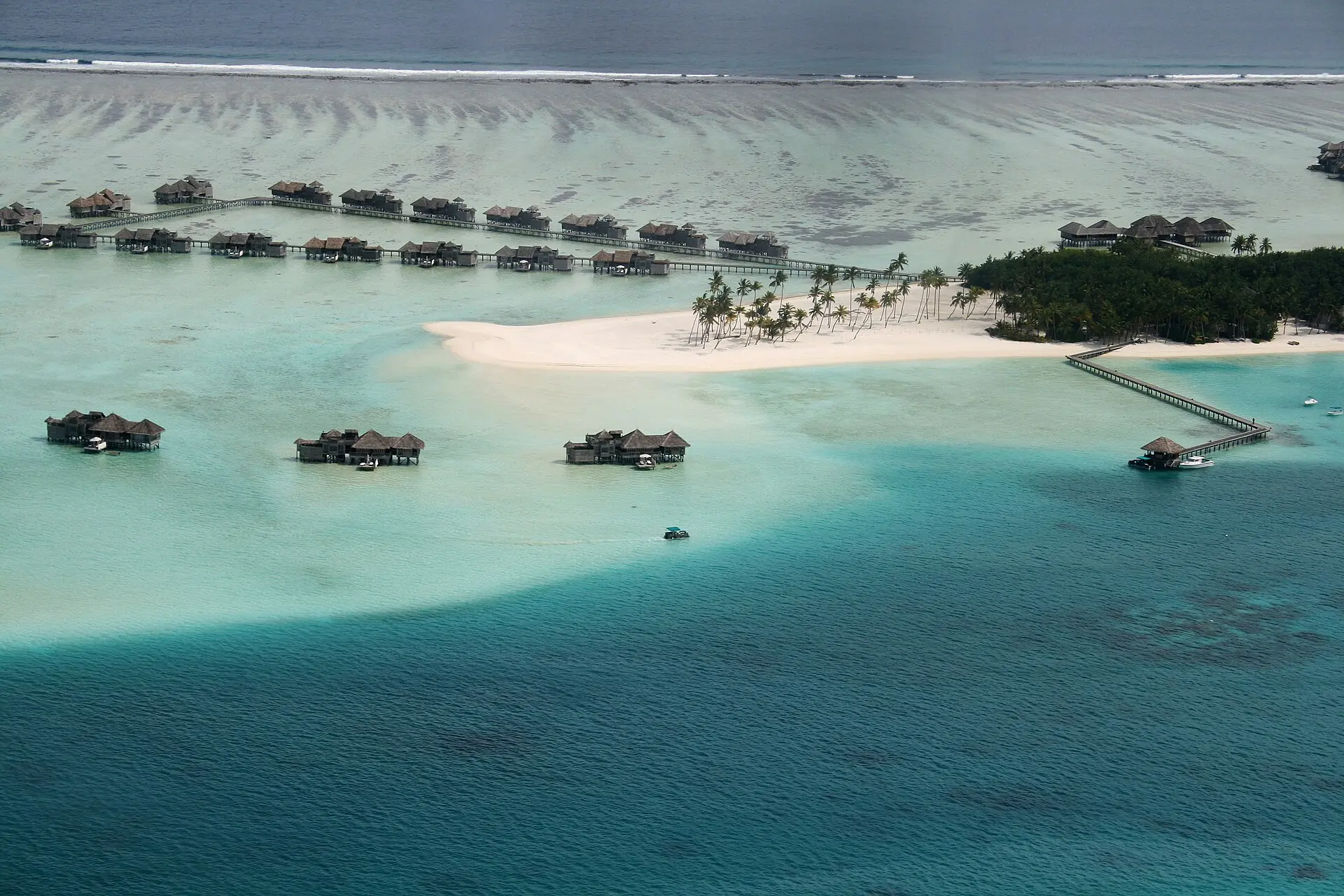
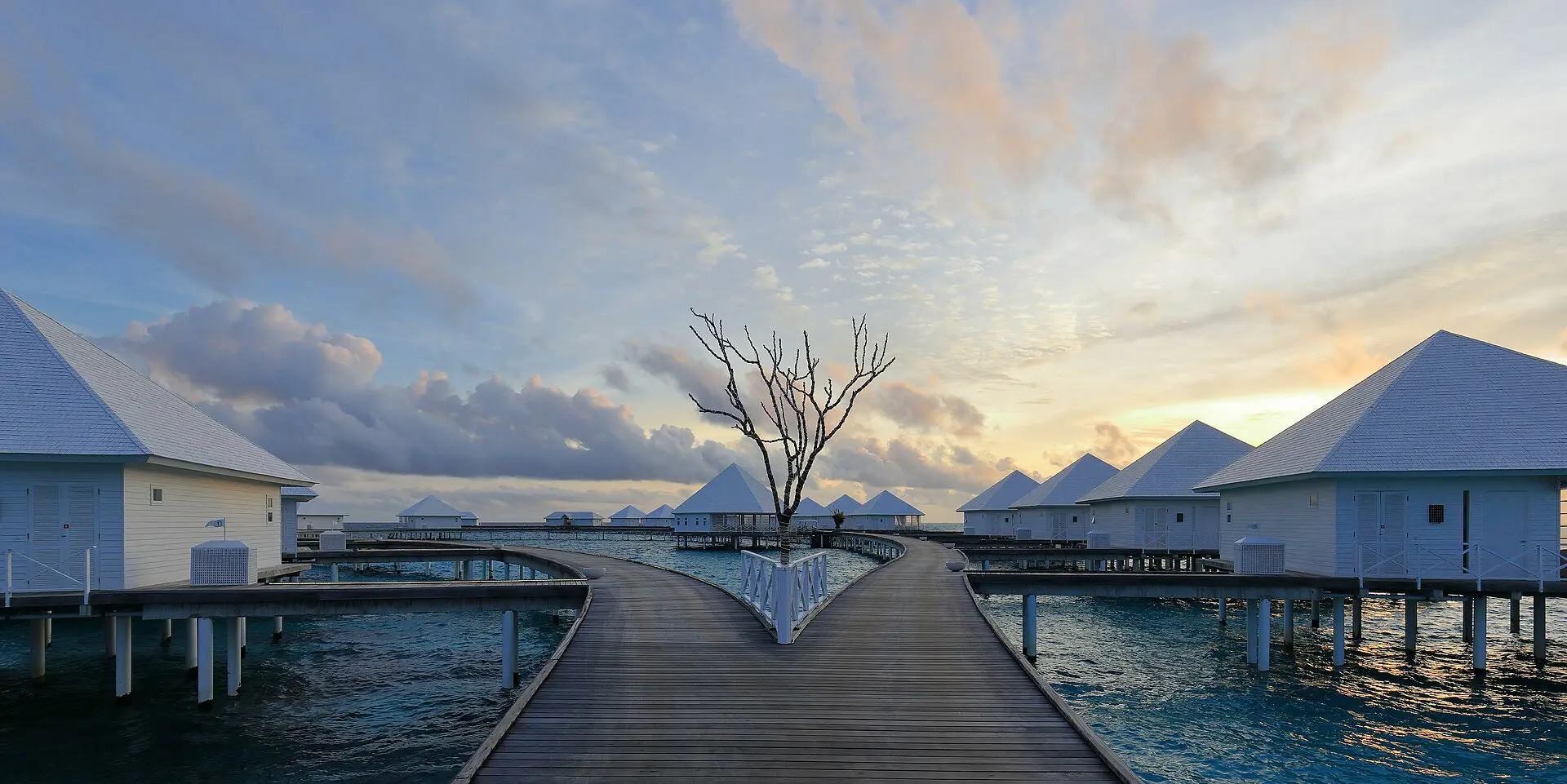
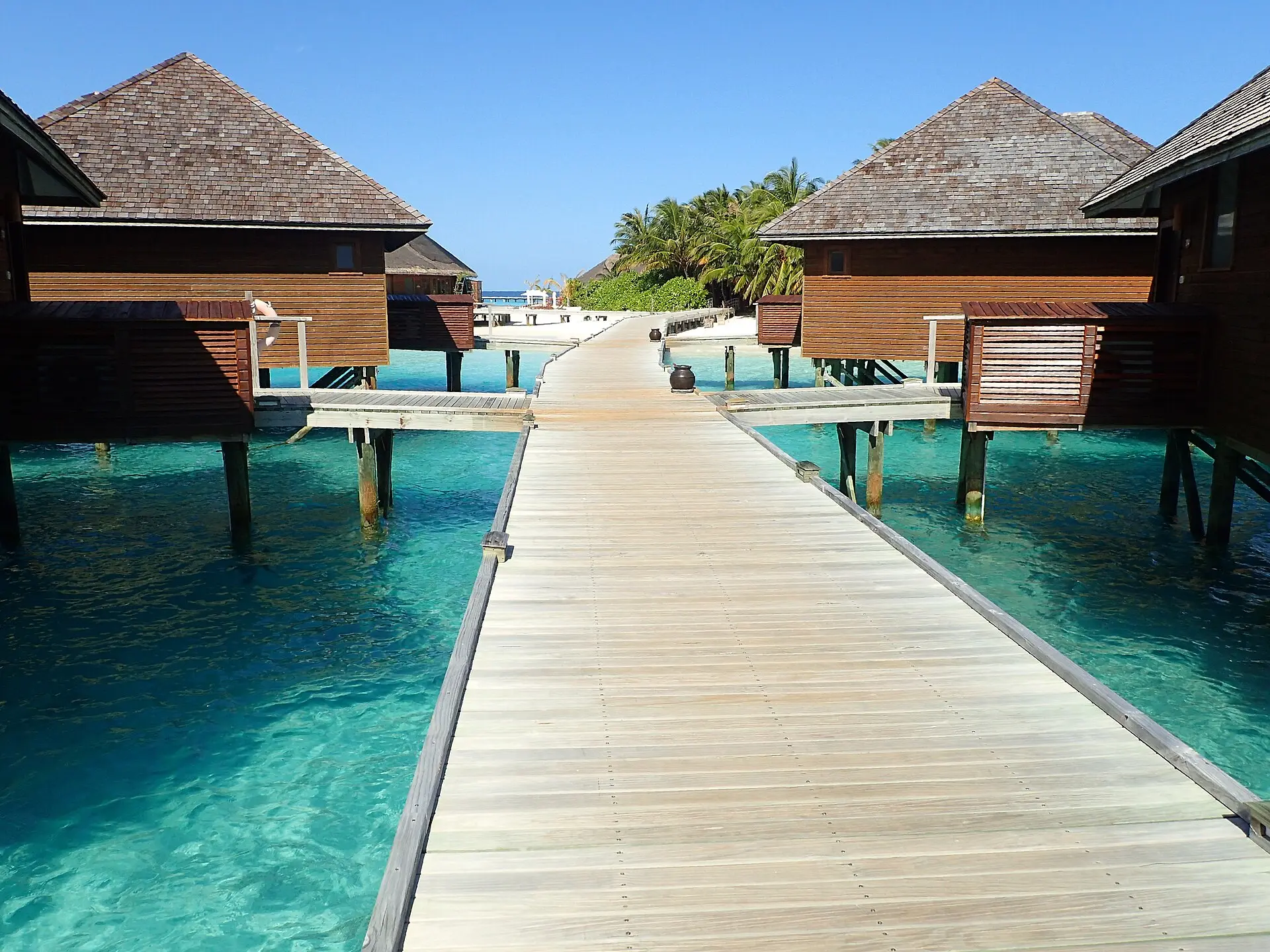
The structure most international buyers encounter is a villa within a resort, sold under tourism-related legislation that allows certain units in registered resort developments to be sold or leased to foreign buyers. Legal commentary, including the overview published by BNI Law, describes this as a strata-type interest in a villa within a tourist resort, not outright ownership of the island or the land beneath it. The resort island itself remains leased from the state by the resort operator.
That distinction has real consequences. Your interest sits inside a larger structure: the government lease to the resort company, the resort operating licence, and the strata or villa agreement that defines your unit. If any layer above you weakens, for example because the operator breaches its island lease or the resort stops operating, your position can be affected. Due diligence therefore has to look upward as well as at your own contract.
Resort villa arrangements also tend to come with rules about how you use the property. Many are designed around a rental programme operated by the resort, with owner use limited to set periods. Some allow more personal use than others. None should be presented as a guaranteed income product, and you should be wary of any marketing that leads with yield figures rather than legal structure.
Approvals, registration and the role of local counsel
Transactions involving foreign parties and Maldivian land or tourism assets generally require government involvement at some stage, whether that is ministry consent, registration of the interest or approval of a transfer. The precise steps depend on the asset and on current regulation. An experienced Maldivian law firm will know which bodies need to be involved and in what order, and should confirm in writing that the interest you are acquiring can be validly granted to you.
Choose your own lawyer, independent of the seller and developer. It is common for projects to recommend a firm; that firm may be perfectly competent, but its relationship with the developer is a conflict you do not need. Ask for a written scope of work, a fee estimate and a list of the documents they will review. Expect them to ask for identification and source-of-funds information as part of anti-money-laundering checks.
A due diligence checklist for international buyers
Every project is different, but the following questions form a sensible starting point. Treat any reluctance to answer them as information in its own right.
The island and the operator
- Who holds the lease of the island from the state, for how long, and is it in good standing?
- Is the resort registered and licensed for tourism, and is the operator financially sound?
- Are there charges, mortgages or disputes registered against the island lease or the developer?
- Who manages the resort, and what happens to owners if the management company changes?
The villa or unit
- What exactly is being sold: a strata interest, a sublease, a membership right, or something else?
- Is the unit built, under construction or off-plan? If off-plan, how are deposits protected?
- What do the plans, specifications and completion certificates show?
- How are common areas, jetties, utilities and shoreline protection owned and maintained?
The money
- Which currency is the price in, and how will funds move from your home country?
- What are the transaction costs: legal fees, registration, any government charges and taxes?
- What are the annual service charges, sinking funds and any ground rent?
- If there is a rental programme, how are revenues and costs split, audited and reported?
Off-plan purchases and staged payments
Island construction is complex. Materials are shipped in, specialist labour is often brought from abroad, and weather windows matter. Delays are common across the region, and an off-plan purchase therefore deserves extra caution. Ask how stage payments are linked to verifiable construction milestones, whether deposits are held in escrow or a protected account, and what remedies you have if completion slips. A strong contract will include long-stop dates and clear refund rights.
Visit if you can. Seeing the island, the jetty, the power plant and the staff accommodation tells you more about the real state of a project than any rendering. If a visit is impractical, insist on recent, dated photographs and an independent inspection.
Financing: plan for cash, verify everything else
International buyers should assume that local mortgage finance for a foreign-held island interest will be limited or unavailable, and that lenders in their home country may not accept a Maldivian leasehold or strata interest as security. Some developers offer payment plans; these are commercial arrangements with the developer, not bank finance, and their terms deserve the same legal scrutiny as the purchase contract. We do not suggest that financing will be available for any particular project.
Residency and visas: keep expectations grounded
Holding an interest in a Maldives resort villa does not, in itself, confer residency. Tourist visas on arrival are generally straightforward for many nationalities, but longer stays and any work in the Maldives are governed by separate immigration rules. If residency matters to you, raise it with your lawyer early and get the current position in writing rather than relying on marketing claims or forum posts.
Tax and reporting at home
Owning an overseas property interest usually has consequences in your home country: reporting of foreign assets, tax on any rental income, and inheritance or estate planning. Speak with a tax adviser in your country of residence before you buy, and make sure your will deals with the Maldivian interest in a way that works under both legal systems. The Maldivian side of tax should be confirmed with your local lawyer, as rates and rules on goods and services tax and tourism-related charges are periodically updated.
Exit planning from day one
It is easier to buy into a resort villa than to sell out of one. Resale depends on the transfer terms in your agreement, on the consent of the operator or landlord where required, and on the remaining lease term. A buyer five or ten years from now will be acquiring a shorter remaining term than you did. Ask how resales have worked in practice on the project or comparable ones, and whether the operator runs or restricts a resale process.
Red flags worth pausing on
- Any suggestion that a foreigner can own land outright, or that a local nominee can hold it for you.
- Guaranteed returns presented as certainties rather than contractual obligations with security behind them.
- Pressure to pay deposits before your lawyer has reviewed the documents.
- Unclear identity of the island leaseholder or the entity you are contracting with.
- Vague answers on approvals, registration or the remaining length of the island lease.
How we approach it
Property Maldives exists to help international buyers make considered decisions. We would rather explain why a project does not fit than see someone commit to a structure they do not understand. Our listings are not live yet, and when they are, every opportunity will be presented with its legal structure stated clearly, not hidden behind a lifestyle photograph.
If you are still deciding where you would like to be, read our guide to choosing a Maldives island, then our notes on Maldives second home running costs. When you are ready to talk specifics, send us your Maldives property enquiry and we will respond with honest, sourced guidance. For independent background reading, see the BNI Law overview of villa acquisition in the Maldives and the US State Department investment climate statement.
This article is general information, not legal, tax or financial advice. Always obtain independent advice from a qualified Maldivian lawyer and from advisers in your own country before entering into any agreement.