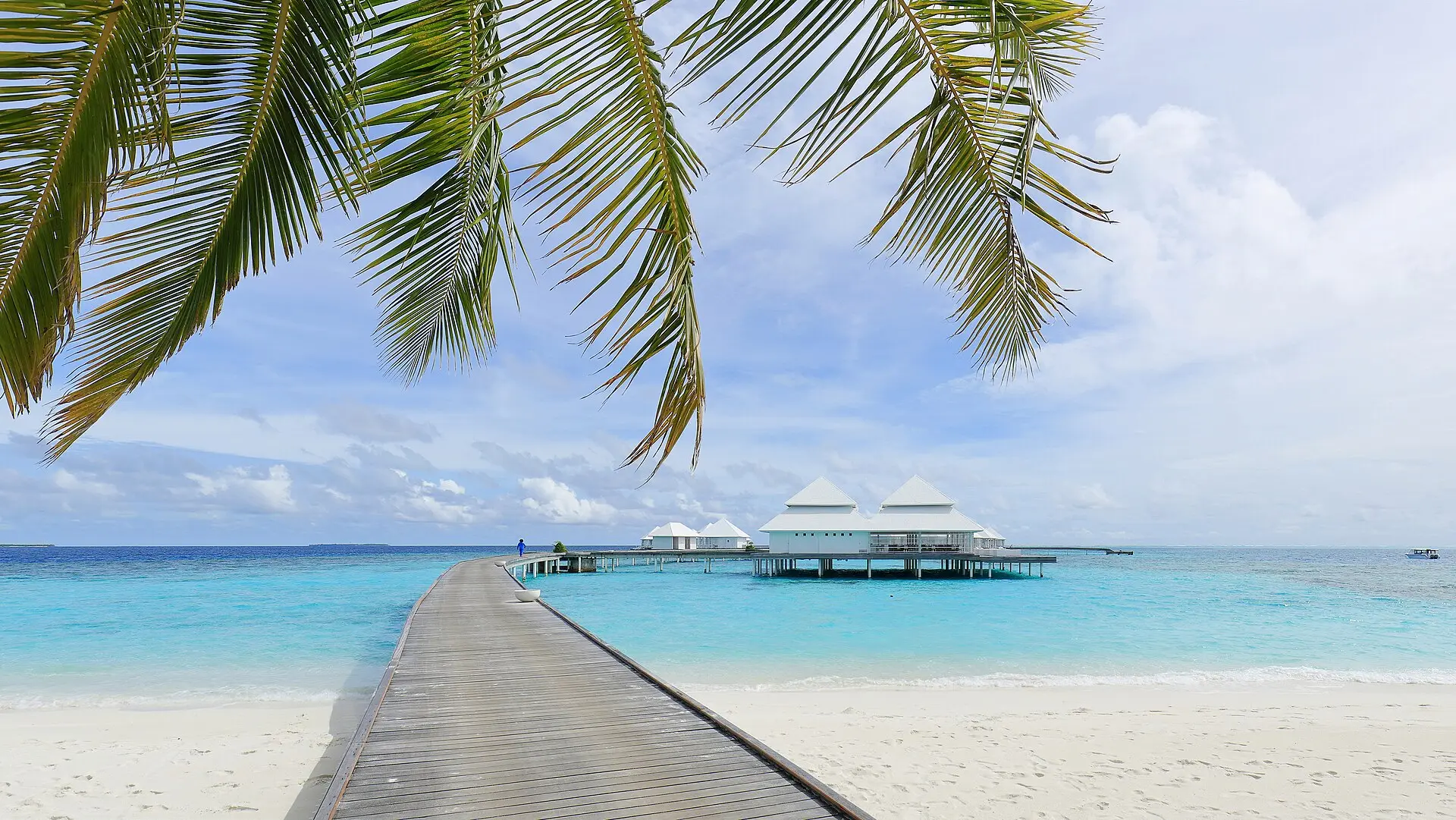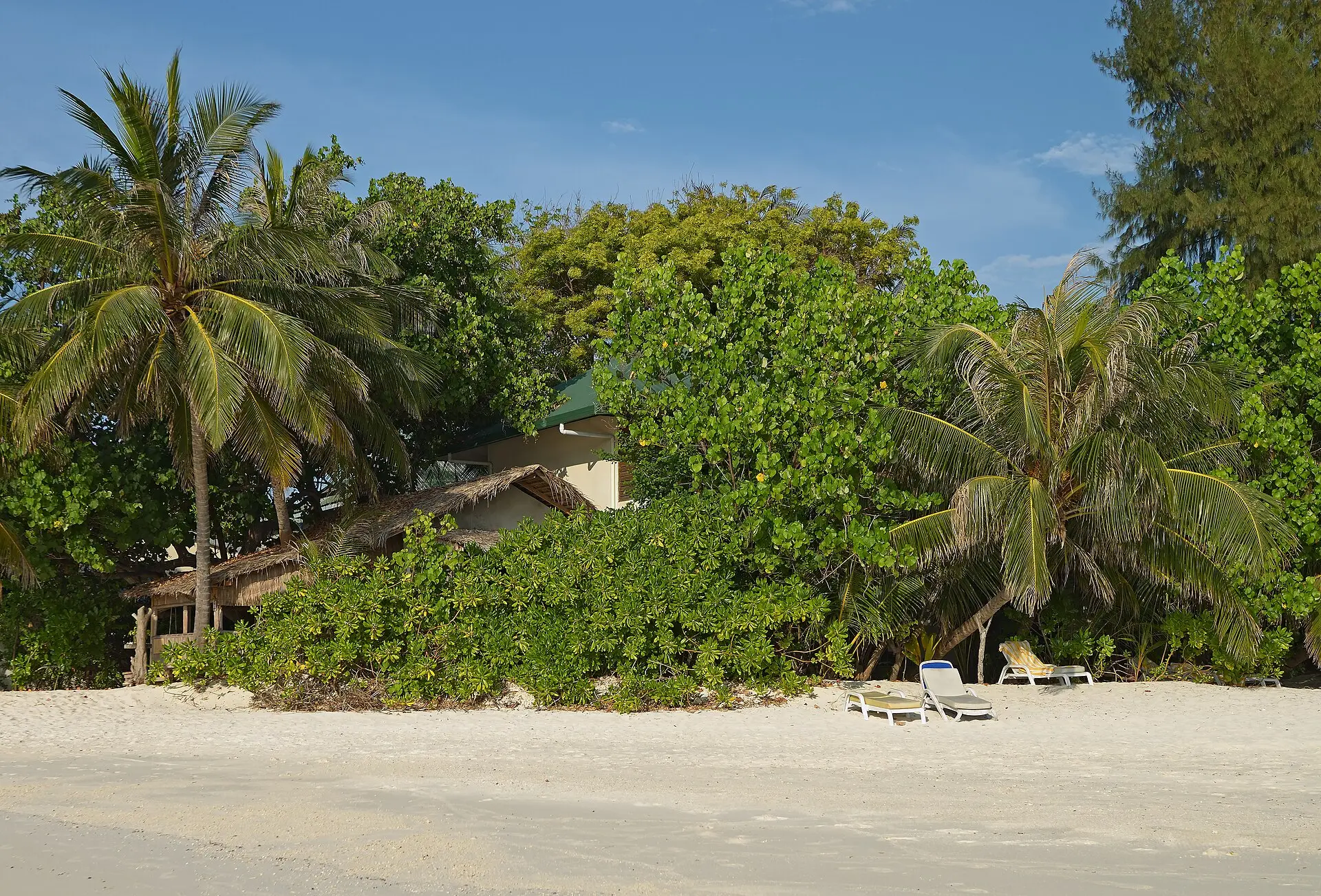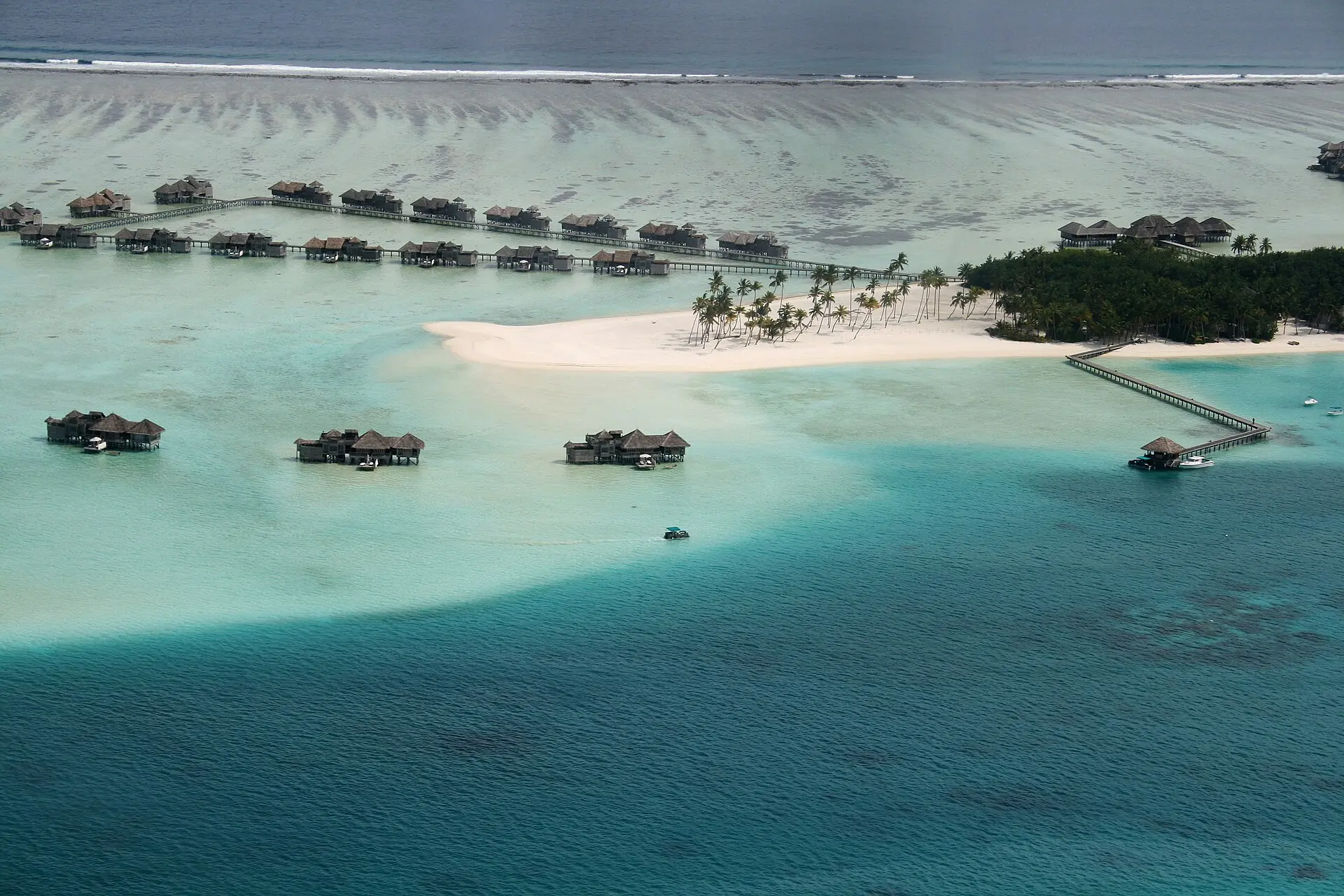
Over a thousand islands, twenty-six natural atolls and wildly different daily lives. How to weigh transfer times, local islands against resorts, seasons, reefs and environmental realities.
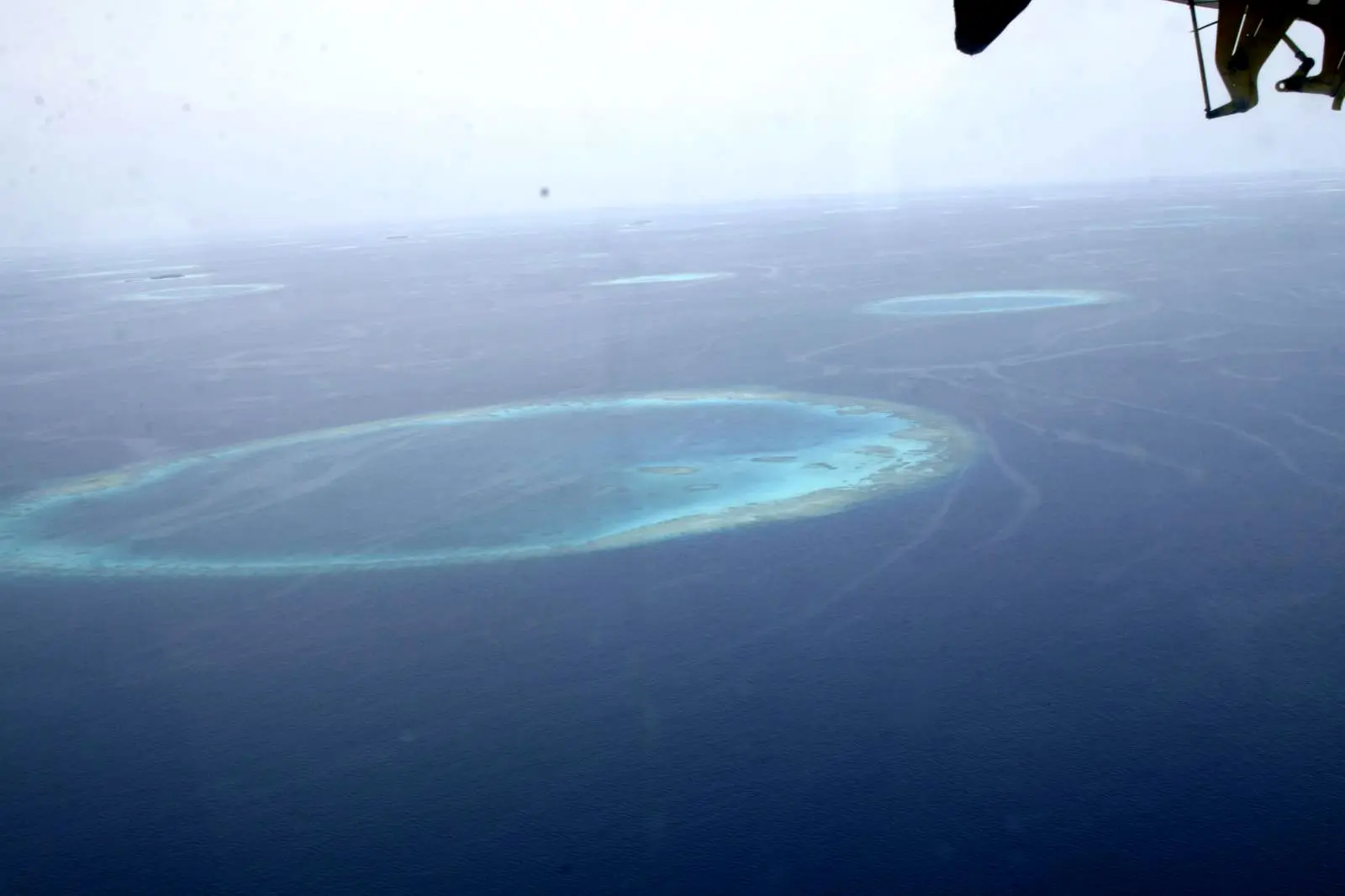
The Maldives is a chain of roughly 1,190 coral islands grouped into twenty-six natural atolls, scattered across around 800 kilometres of the Indian Ocean. Fewer than two hundred islands are inhabited by local communities, and well over a hundred more are leased as resorts. From the air they can look alike: a ring of white sand, a halo of turquoise, deep blue beyond. On the ground, the differences between them are profound, and they decide what owning a home there will actually feel like.
This guide walks through the questions that matter most when you are choosing where to focus. It pairs well with our explainer on buying property in the Maldives, because location and legal structure are tied together, and with our Maldives island destinations search, where you can register interest by island or atoll while listings are being prepared.
Start with access, not with the beach
Almost every international arrival lands at Velana International Airport on Hulhulé, next to Malé. From there, you continue by speedboat, public ferry, seaplane or domestic flight. How long that onward leg takes, how much it costs and whether it runs at night will shape every visit you make, every delivery you need and every guest who comes to stay.
- Speedboat islands in North and South Malé Atoll can be reached within roughly twenty minutes to an hour and a half, often around the clock by private charter.
- Ari Atoll islands are commonly reached by scheduled speedboat or seaplane, with journey times measured in hours rather than minutes by public ferry.
- Distant atolls rely on domestic flights followed by a boat transfer, which adds connection risk and baggage limits.
- Seaplanes are scenic but operate in daylight only, so late international arrivals may need an overnight stop near the airport.
If you plan to visit often, or to welcome family with young children or elderly relatives, a short and reliable transfer is worth more than almost any other feature.
Local islands, resort islands and the urban hub
There are three broad settings to understand. Each comes with its own legal frame, daily rhythm and cultural expectations.
The Malé region
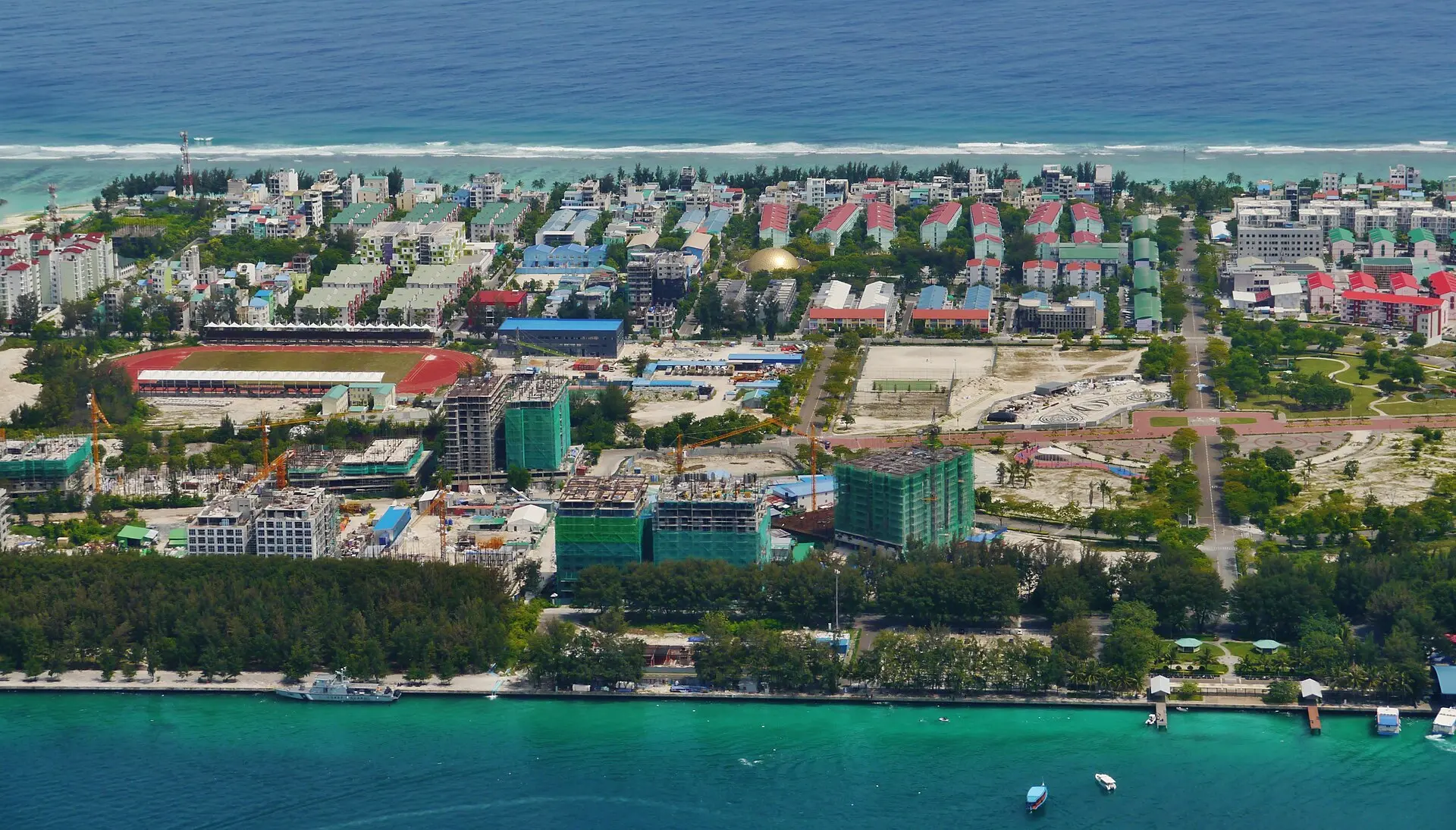
Malé is one of the most densely built capitals in the world, the centre of government, banking and commerce. Hulhumalé, a planned reclaimed island linked to Malé by the Sinamalé Bridge and close to the airport, offers newer apartment buildings, wider streets and a growing beach and park network. For anyone working in the Maldives or needing city services, this is the practical heart. Ownership rules for foreigners still apply here, so any apartment interest must be checked carefully with local counsel.
Local inhabited islands
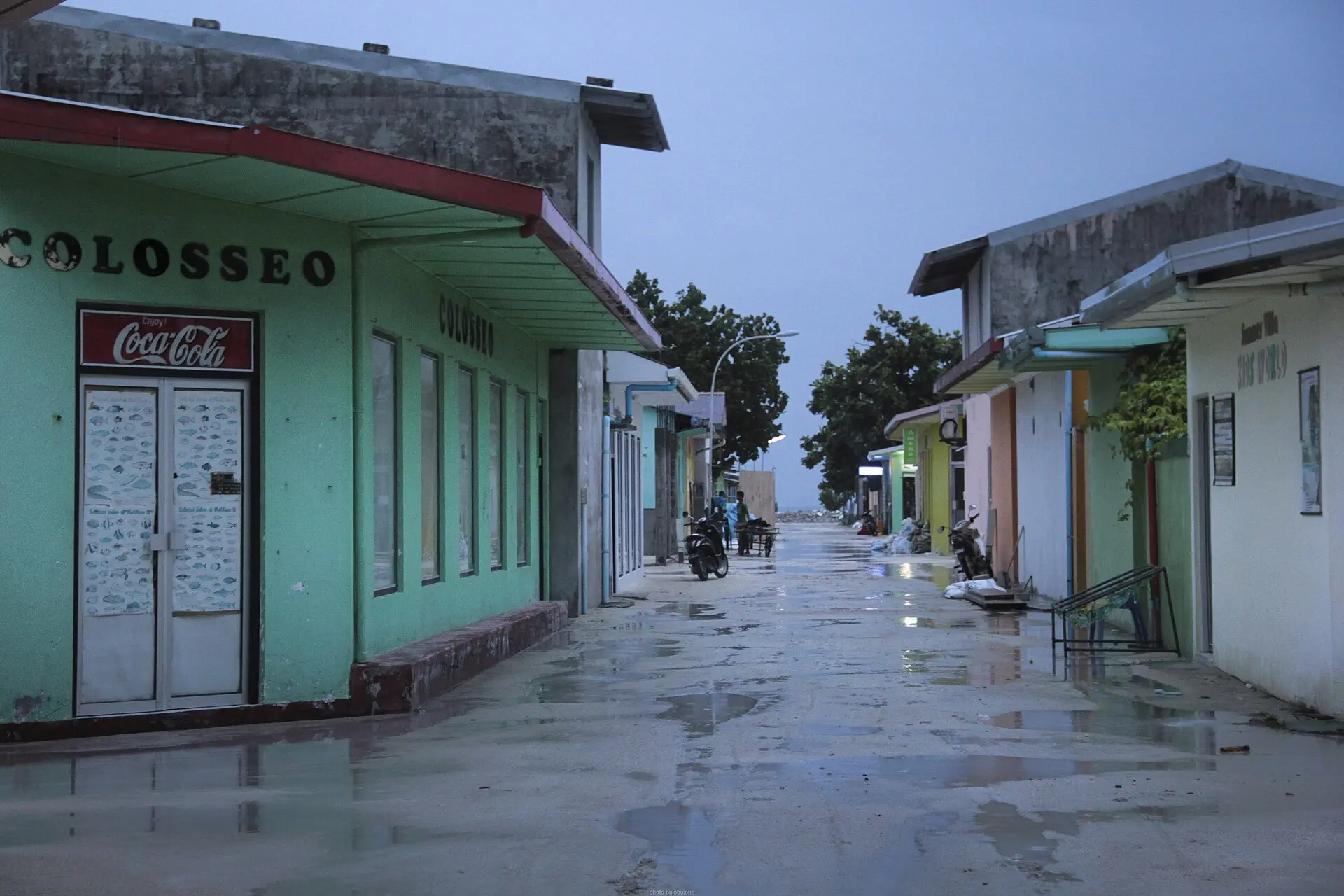
Since guesthouse tourism was opened up on inhabited islands around 2010, places such as Maafushi, Thulusdhoo, Dhiffushi, Huraa, Ukulhas, Rasdhoo and Dhigurah have developed small hospitality economies alongside fishing and community life. They offer an authentic, lower-key experience. They are also Muslim communities with local customs: alcohol is not served, modest dress is expected away from designated tourist beaches, and Friday rhythms differ. These islands are where many visitors first fall in love with the country, and they deserve to be approached with respect.
Resort islands
Resort islands are leased from the state to operators and run as self-contained hospitality businesses. They are where tourism strata or villa arrangements for foreign buyers are most likely to arise. Life here is managed: staff, utilities, dining and security are provided, at a cost. The trade-off is less independence and an ownership experience bounded by the operator’s rules.
Ten names worth knowing
Our search focuses on ten locations that international buyers ask about most. None of the notes below implies that property is currently available there for foreign purchase; they are starting points for understanding character.
- Malé: the capital. Services, ministries, law firms, intense density and real city energy.
- Hulhumalé: planned, airport-adjacent, apartment-led, with a beachfront and a calmer pace than Malé.
- Maafushi: South Malé Atoll, the island that pioneered local guesthouse tourism, lively and well connected.
- Thulusdhoo: North Malé Atoll capital island, a surfer favourite with a laid-back village feel.
- Dhiffushi: on the eastern rim of North Malé Atoll, long beaches and a quieter community atmosphere.
- Huraa: small, close to the airport, with a mangrove area and short transfers.
- Ukulhas: North Ari Atoll, widely praised for community waste management and a clean beach.
- Rasdhoo: a small atoll within Ari, much loved by divers for its channel and pelagic encounters.
- Dhigurah: South Ari Atoll, a long thin island with an extended sandbank in waters known for whale sharks.
- Fuvahmulah: a single-island atoll in the deep south with its own airport, lakes and open-ocean diving.
Seasons and weather
The Maldives has two monsoon seasons. The northeast monsoon, roughly December to April, generally brings drier, calmer and sunnier weather and is the peak visitor season. The southwest monsoon, roughly May to November, brings more rain, stronger winds and rougher seas at times, though it also brings some of the best surf and plenty of sunny spells. Temperatures stay warm throughout the year.
If you intend to use your home mainly in the European winter, the dry season will suit you well. If you plan to let it when you are not there, think about how occupancy might look in quieter months, and about how a property copes with wind-driven rain and salt.
Reefs, lagoons and the house reef question
For many, the reason to be in the Maldives is underwater. A good house reef, close enough to reach by snorkelling from the beach, is a joy. Lagoon depth and the presence of seagrass or channels affect swimming, boat access and how a jetty is built. Ask about reef health, recent bleaching events, and whether any dredging or reclamation has taken place nearby or is planned. These can change a lagoon dramatically.
Environmental due diligence
Much of the Maldives sits only a metre or so above sea level, and the country is among the most exposed in the world to sea-level rise and coastal change. That is not a reason to dismiss it, but it is a reason to ask informed questions:
- How high above typical high tide is the building platform, and what protection exists against storm surge?
- Has the shoreline been eroding or accreting, and is there coastal protection in place?
- What environmental impact assessments were carried out for the development?
- How are fresh water, wastewater and solid waste handled on the island?
- Is energy supplied by diesel, solar or a mix, and how resilient is supply?
Good projects will have answers, and many are investing seriously in solar, desalination and waste systems. Treat a shrug as a warning.
Healthcare, schools and everyday services
The Malé region has the country’s main hospitals and the widest range of services. Many atoll islands have health centres, but serious medical issues typically mean transfer to Malé or abroad. If you plan to spend extended periods in the Maldives, consider medical evacuation cover and proximity to care. International schooling is concentrated in the capital area.
Culture and community
Maldivians are welcoming hosts, and the best experiences come from engaging respectfully with local life. On inhabited islands, learn the customs, support local businesses and understand that public behaviour expectations are different from those on resorts. The UK Foreign, Commonwealth and Development Office travel advice is a sensible primer on local laws and customs for visitors.
Matching the island to your intentions
It can help to write down, honestly, how you intend to use the property. A few common profiles:
- The frequent winter visitor: prioritise short transfers, dry-season use, reliable management and a good house reef.
- The family base: think about medical access, safe swimming lagoons, space and how children will spend their days.
- The diver or surfer: location relative to channels and breaks will matter more than anything else.
- The working resident: the Malé region, with its services and connectivity, is likely to be the practical choice.
- The occasional user with a letting plan: the operator, the rental programme terms and the destination’s year-round appeal come first.
Visit with a checklist
When you visit, look past the welcome drink. Walk the back of the island where staff housing, power and water plants sit. Ask when the generators were last serviced. Watch the jetty at low tide. Talk to guesthouse owners or staff about how the island changes through the seasons. Spend a night if you can; islands feel different after dark.
Connectivity, supplies and daily practicalities
Island life runs on logistics. Mobile coverage is generally good across inhabited and resort islands, and fibre or 4G data is widely available in the Malé region, but speeds and reliability can vary further out. If you intend to work remotely, test the connection in person rather than relying on a listing. Groceries on local islands come from small shops supplied by cargo boats, so fresh produce can be patchy between deliveries; residents in the atolls often stock up in Malé. Resort islands handle supplies centrally, which is convenient but priced accordingly.
Think too about how tradespeople will reach you. A plumber or air-conditioning engineer based in Malé may need a boat transfer to visit, and the cost of that trip lands on someone. Islands with a larger population tend to have more local skills on hand. These small details accumulate into the lived experience of a place, and they rarely appear in marketing material.
Neighbours, noise and growth
Islands change. A quiet local island can gain new guesthouses, a harbour extension or a land reclamation project within a few years. A resort can be refurbished, rebranded or expanded. Before committing, ask the island council or the operator about approved and planned developments nearby, and look at how the island has evolved over the past decade using publicly available satellite imagery. Growth is not necessarily negative; it can bring better services and transport. But it should be something you anticipate rather than discover after the fact.
Sound carries across water. Generators, boat traffic, construction and, on some islands, the call to prayer are part of the soundscape. Most people find the rhythm of island life deeply restful, and these sounds become familiar quickly. It is still worth spending a full day and night somewhere to understand its character.
Weighing the shortlist
Once you have two or three places in mind, score them honestly against the factors that matter to you: transfer time and reliability, reef and lagoon, community and culture, services, environmental resilience and the legal structure available. Discuss the shortlist with someone who knows the country. A good adviser will tell you where your priorities conflict, for example that the quietest islands are often the hardest to reach, and help you decide which compromises you are comfortable making.
Next steps
Location is half the decision. The other half is the structure you would be buying into, which is why we recommend reading our guide to what foreign buyers can legally own in the Maldives alongside this one, and our notes on managing a Maldives second home. You can register your preferred islands and budget through the Maldives property search, or contact our team for a conversation. For a wider view of the country’s economic and regulatory environment, the US State Department investment climate statement for the Maldives is a useful independent reference.
Island descriptions are general and for orientation only. Transfer times, services and regulations change; always confirm current details before making plans.